France Mobility -Brive 12-16 October 2025
Topic: Developing Digital Citizenship Action Plans (DCAPs)
Location: France
Duration: 5 Days
Partner Countries: Türkiye, Hungary, Poland, France
- Overview
The mobility in France focused on empowering participants to become active promoters of responsible and informed digital behavior in their schools and communities. Through the development of Digital Citizenship Action Plans (DCAPs), participants translated the theoretical knowledge and skills gained throughout the project into practical, action-oriented strategies.
The program included interactive workshops, group discussions, peer feedback sessions, and presentations designed to enhance participants’ understanding of media literacy, ethical online behavior, eco-friendly technology use, and digital responsibility.
- Objectives
The key objectives of this mobility were to:
Enable participants to design and implement their own Digital Citizenship Action Plans.
Encourage the identification of target audiences for digital citizenship initiatives within their local contexts.
Foster skills in action planning, teamwork, and goal-setting.
Promote awareness of misinformation, online ethics, and environmental sustainability in the digital world.
Strengthen cooperation and exchange of ideas among students and teachers from partner countries.
All objectives were successfully achieved by the end of the mobility.
- Activities and Daily Implementation
Day 1 – Workshop on Action Planning
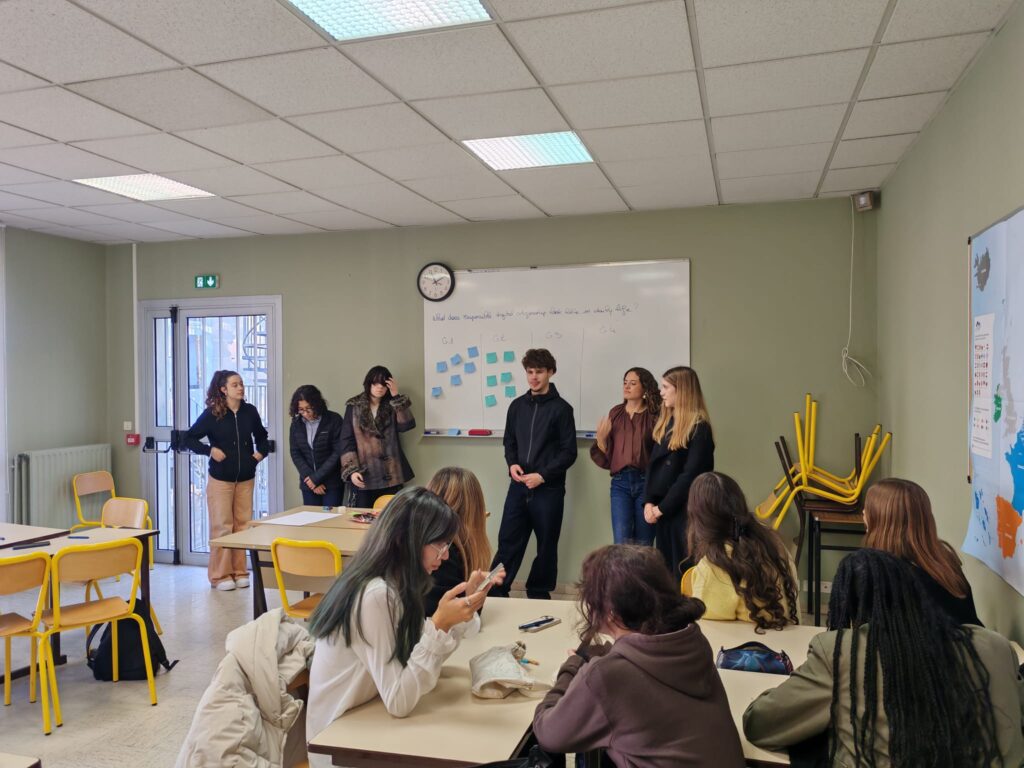

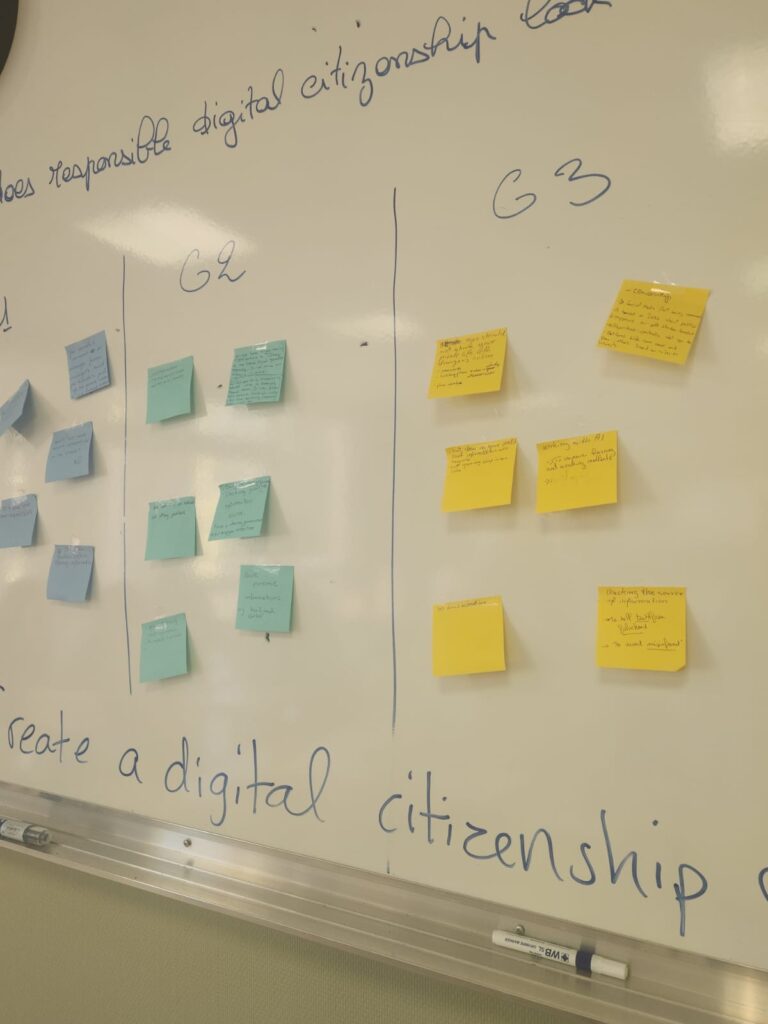
Participants were introduced to the concept of Digital Citizenship Action Plans (DCAPs).
A step-by-step workshop on action planning guided them through setting realistic goals and identifying resources.
Small international groups discussed examples of good practices from their countries.
Outcome: Each group drafted an initial outline for their DCAP.
Day 2 – Target Audience & Objective Setting
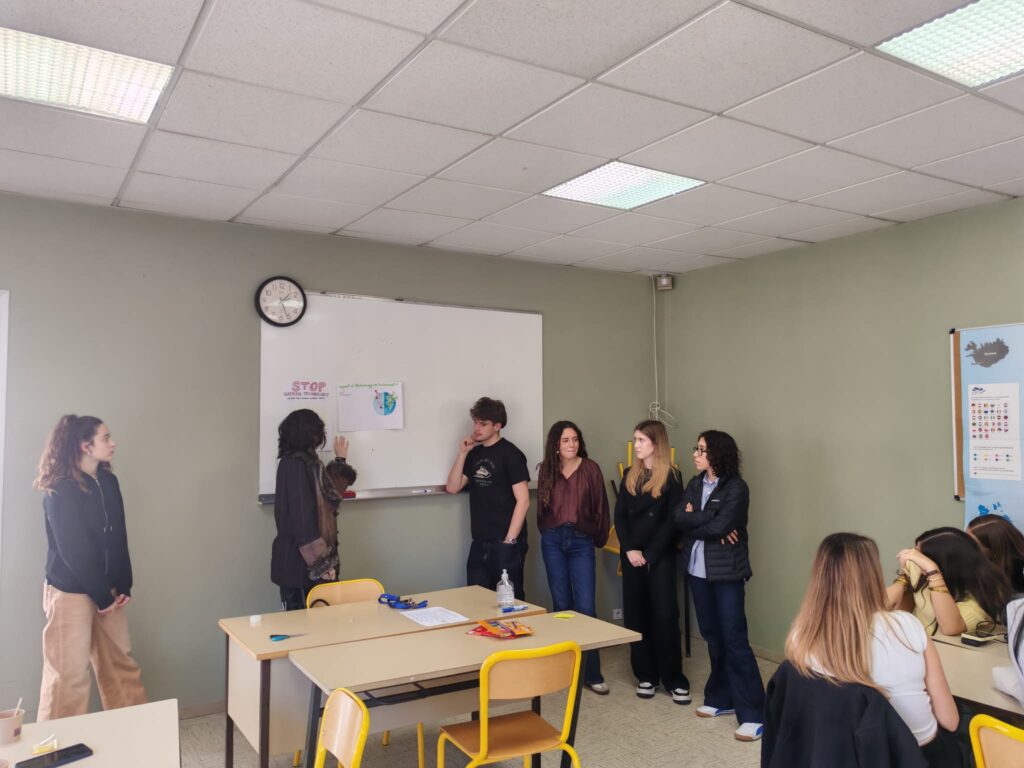
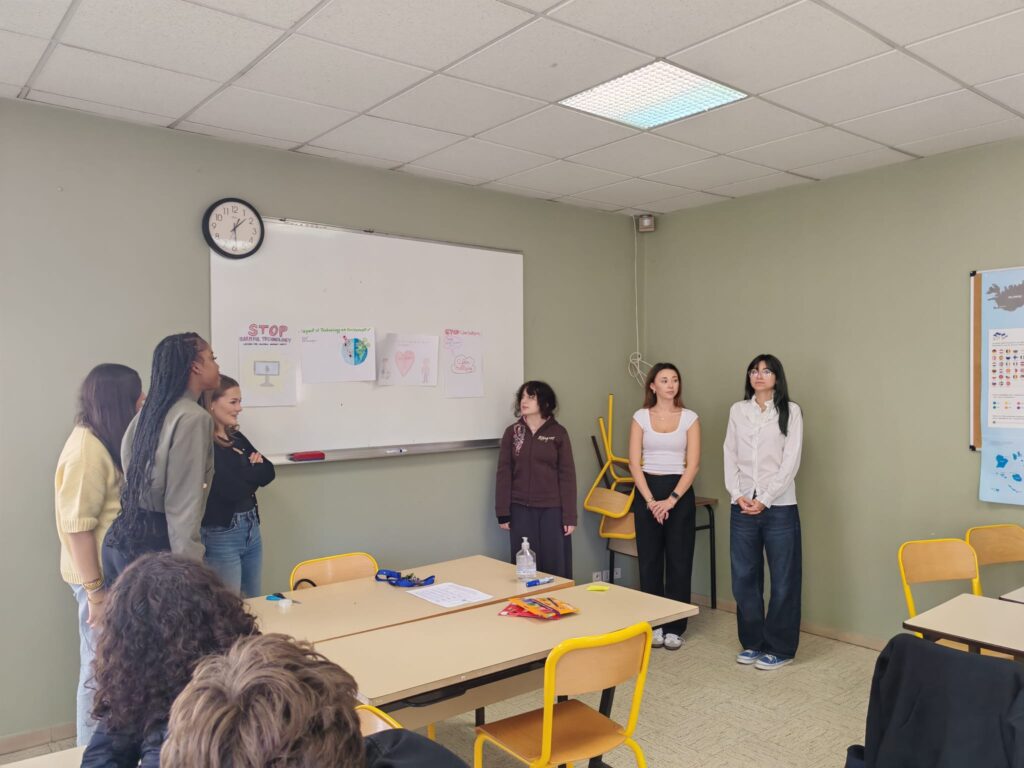

In the morning, participants identified target audiences such as peers, parents, classmates, or local communities.
They then established specific objectives aligned with the project’s themes — combating misinformation, fostering ethical online behavior, promoting eco-friendly technology use, and enhancing media literacy.
Outcome: Each group clearly defined the purpose and expected impact of their DCAP.
Day 3 – Feedback and Refinement
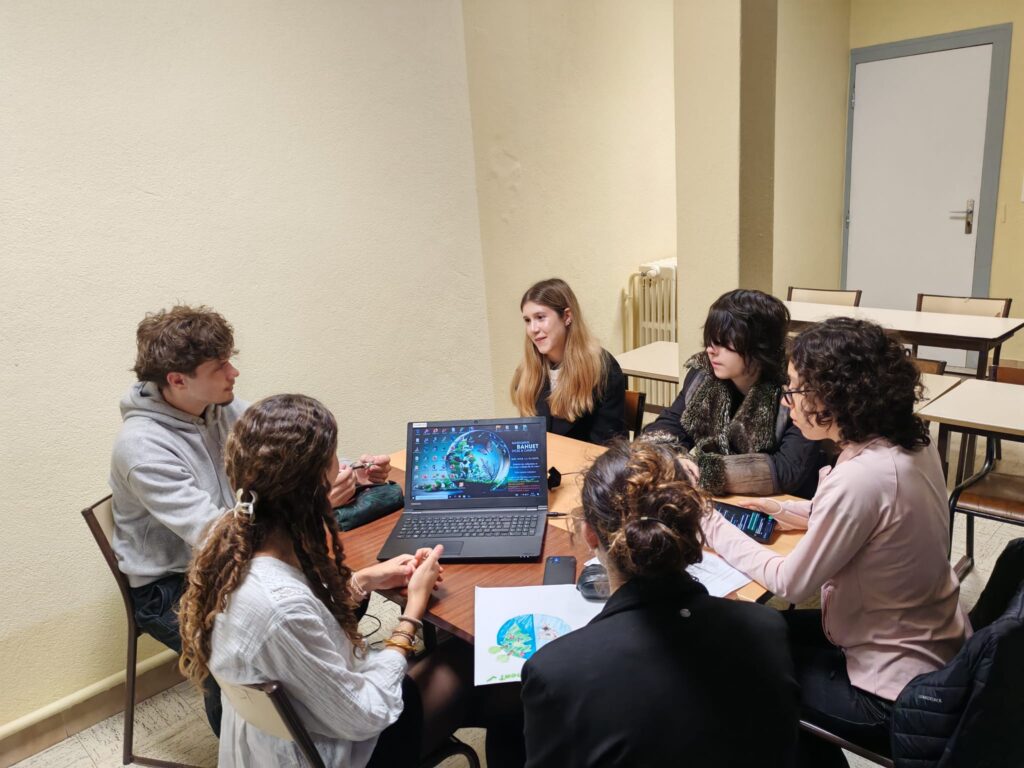
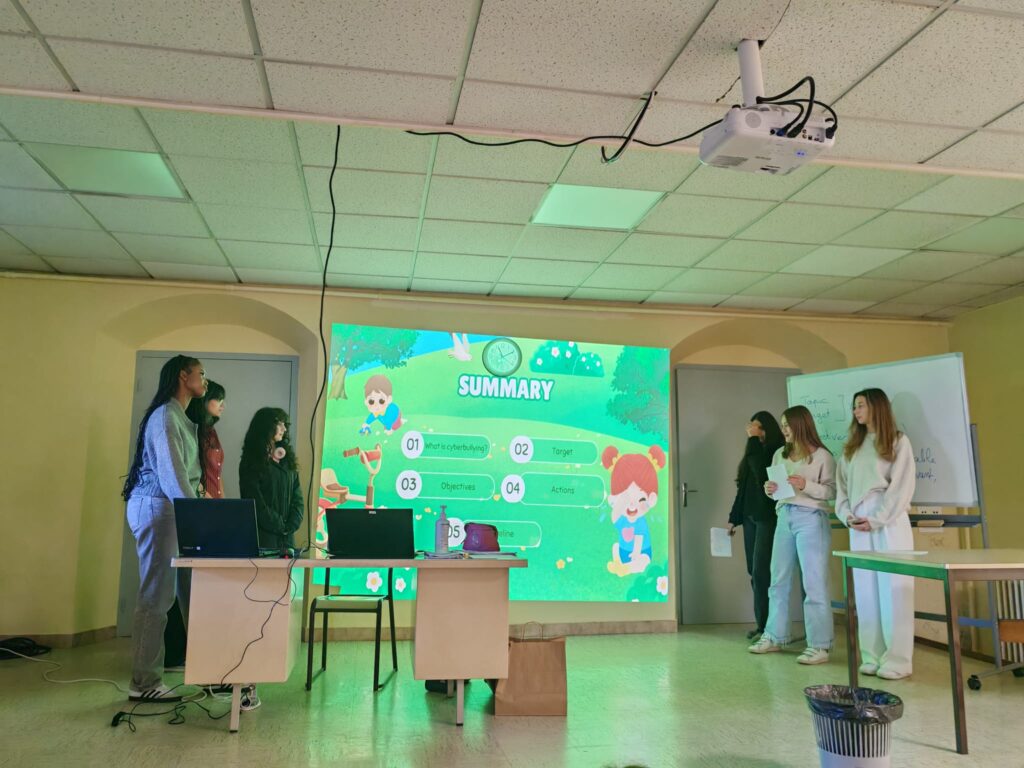
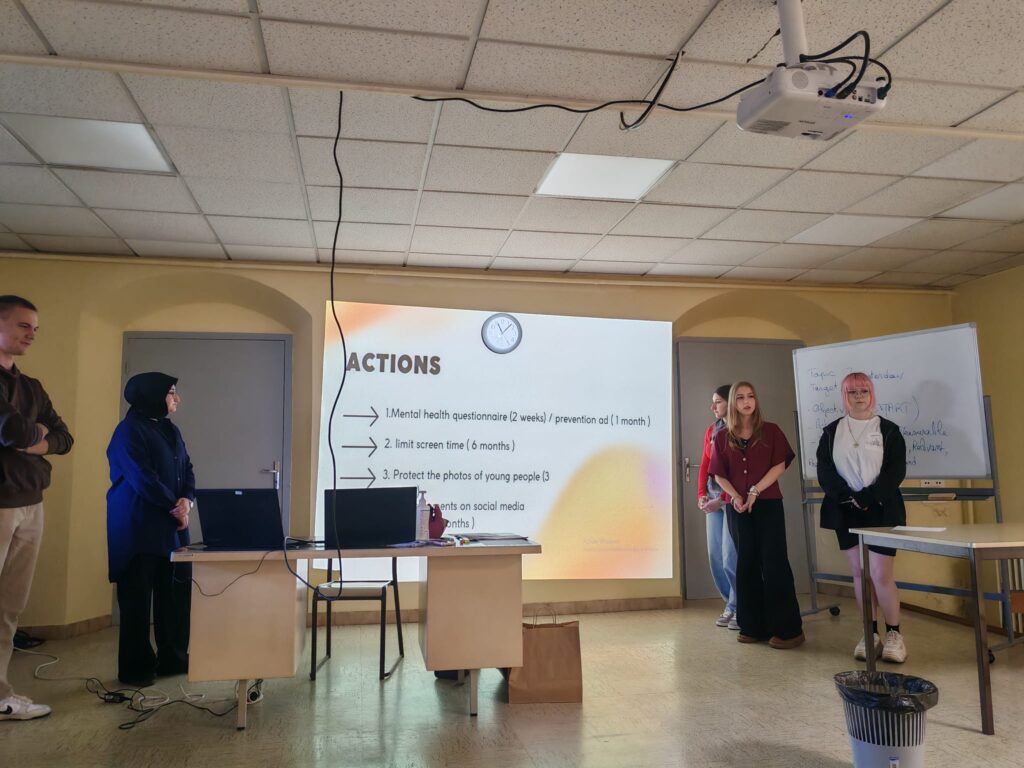
Participants presented their preliminary DCAPs to peers and mentors.
Constructive feedback sessions were held to refine plans, strengthen goals, and improve feasibility.
Outcome: The plans were enhanced with concrete action steps and realistic timelines.
Day 4 – Presentation of Action Plans
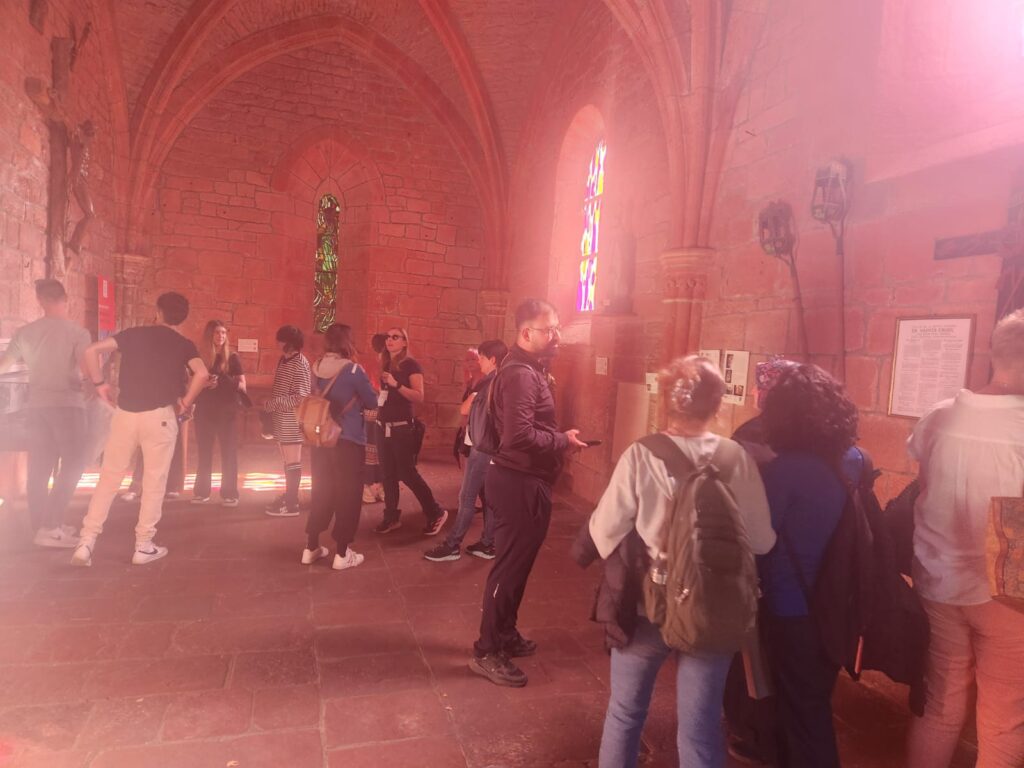
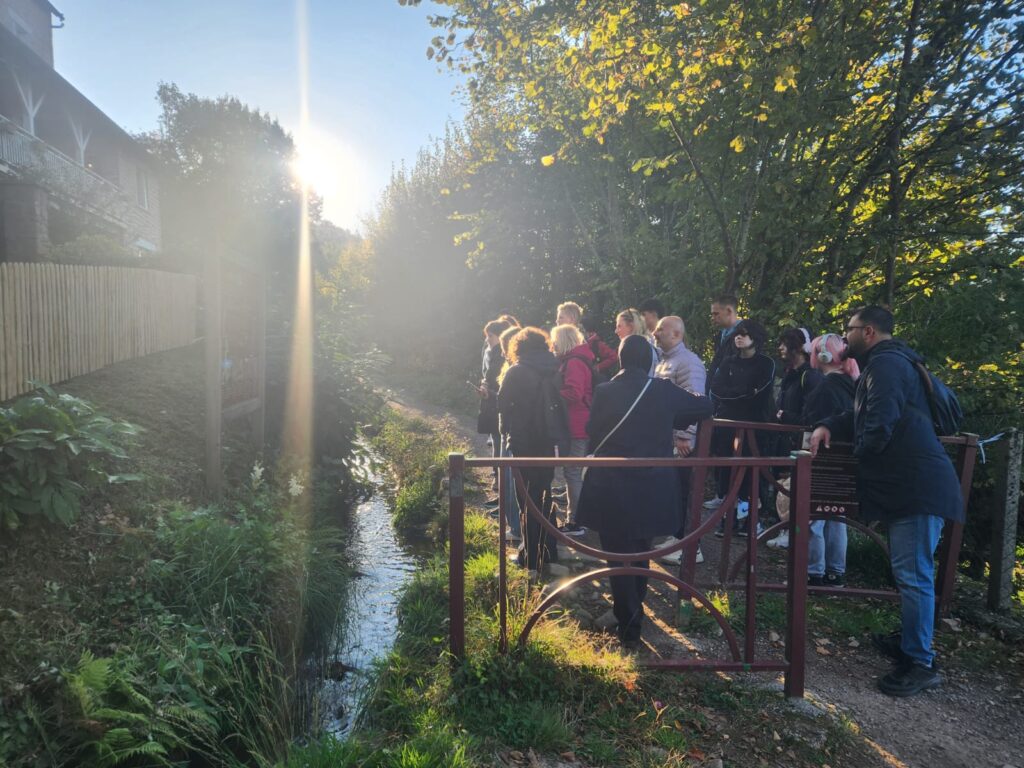
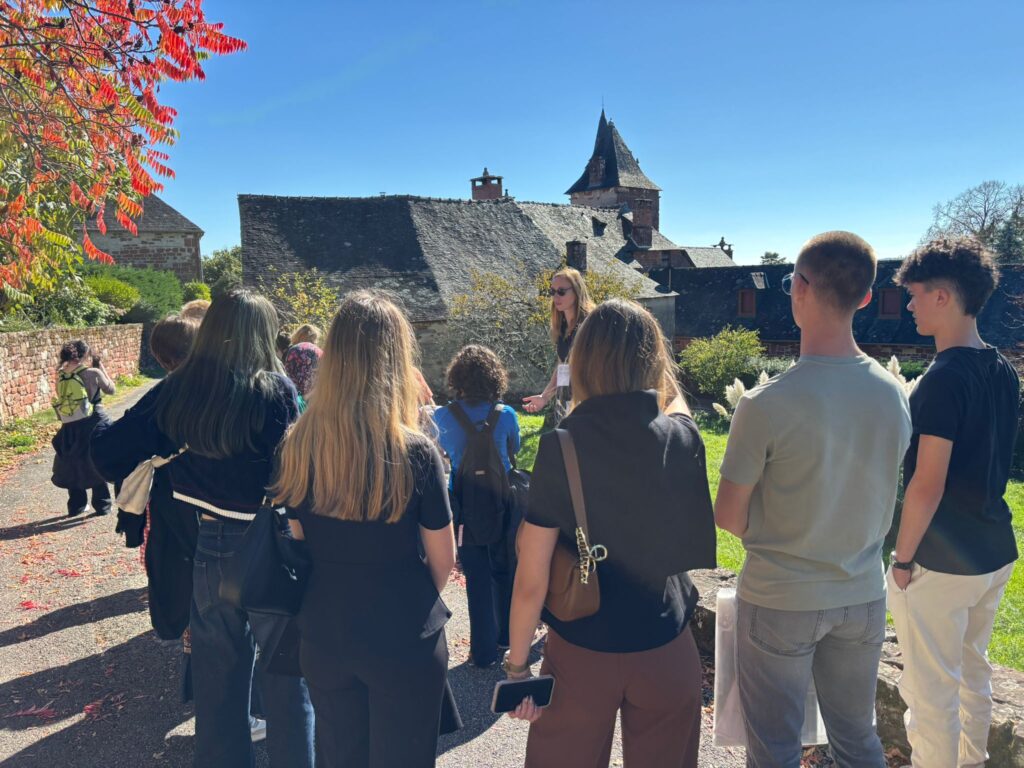
Each group formally presented their final version of the Digital Citizenship Action Plan.
Presentations highlighted the diversity of ideas, such as workshops for peers, social media campaigns, and eco-digital awareness activities.
Outcome: Participants gained confidence in public speaking, teamwork, and critical reflection.
Day 5 – Final Revision & Certification Ceremony
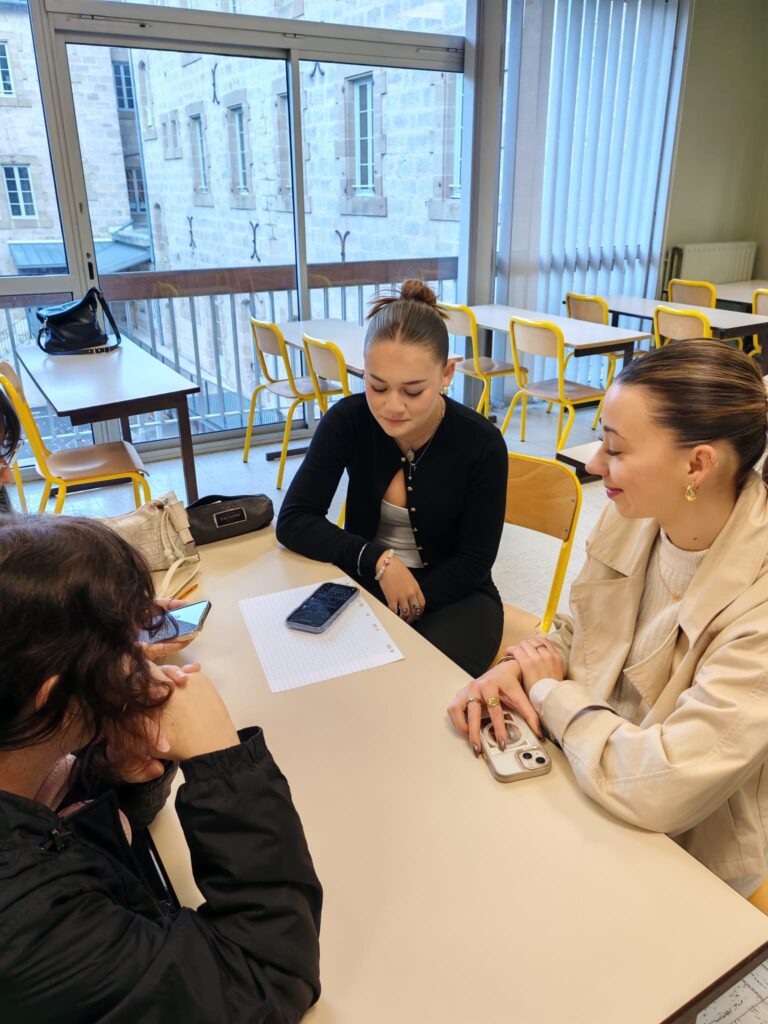
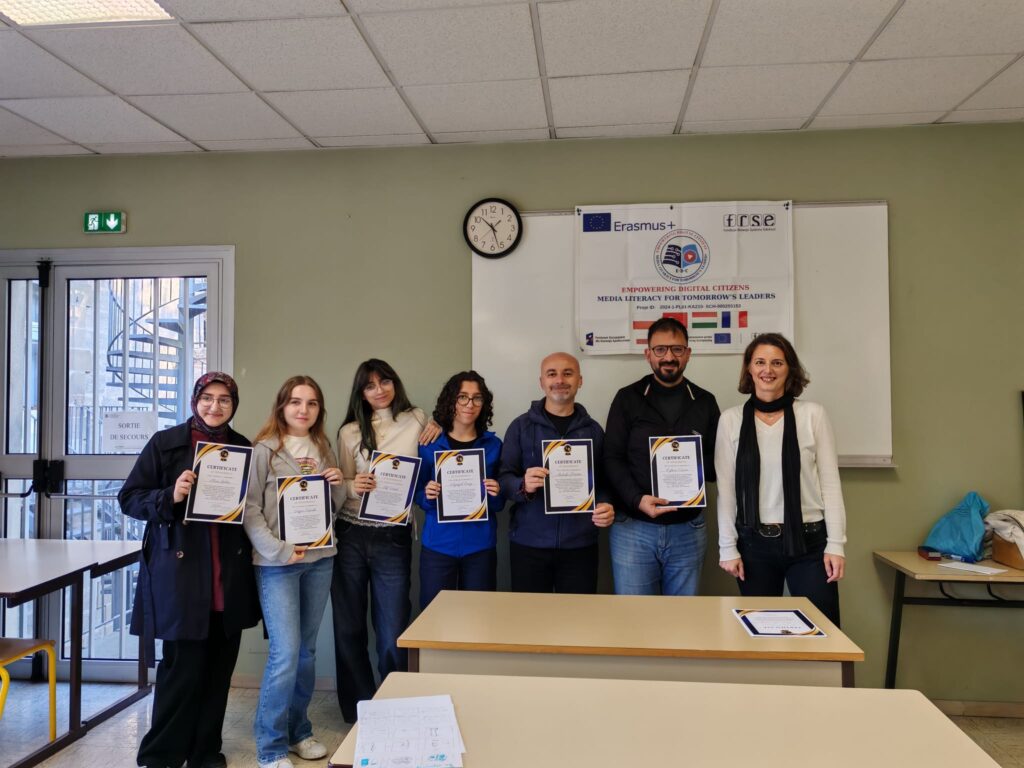
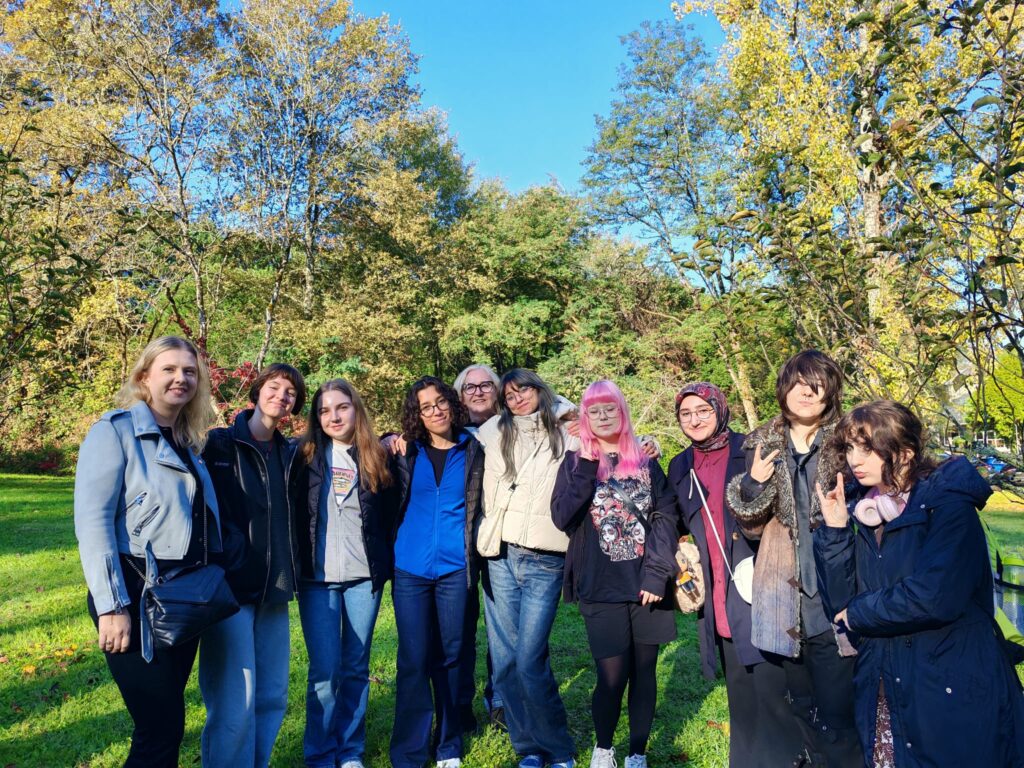
Groups collaborated to merge their DCAPs into a unified final document summarizing all national contributions.
The mobility concluded with a feedback session, reflection activities, and a certification ceremony celebrating participants’ achievements.
- Results and Achievements
✅ All participants successfully designed, refined, and presented their own Digital Citizenship Action Plans.
✅ The plans addressed key topics: media literacy, combating misinformation, online ethics, and eco-friendly technology habits.
✅ Participants demonstrated enhanced skills in digital citizenship awareness, teamwork, and project planning.
✅ The mobility strengthened intercultural understanding and collaborative learning among partner schools.
✅ Teachers reported increased motivation and readiness to integrate the outcomes into their local educational settings.
- Evidence and Outputs
Completed Digital Citizenship Action Plans (DCAPs) developed by international teams.
PowerPoint presentations and summary posters created by each group.
Photos and videos documenting workshops, teamwork, and final presentations.
Participant reflections and feedback forms showing high satisfaction with learning outcomes.
- Conclusion
The France mobility successfully achieved its intended goals. Participants left the program with practical strategies to promote responsible digital citizenship within their communities. The week fostered collaboration, creativity, and critical thinking, marking a strong conclusion to the project’s series of mobilities.
The DCAPs developed during this week will continue to serve as sustainable tools to raise awareness and guide digital responsibility efforts in partner schools and local communities.
Funded by the European Union. Views and opinions expressed are however those of the author(s) only and do not necessarily reflect those of the European Union or the European Education and Culture Executive Agency (EACEA). Neither the European Union nor EACEA can be held responsible for them.